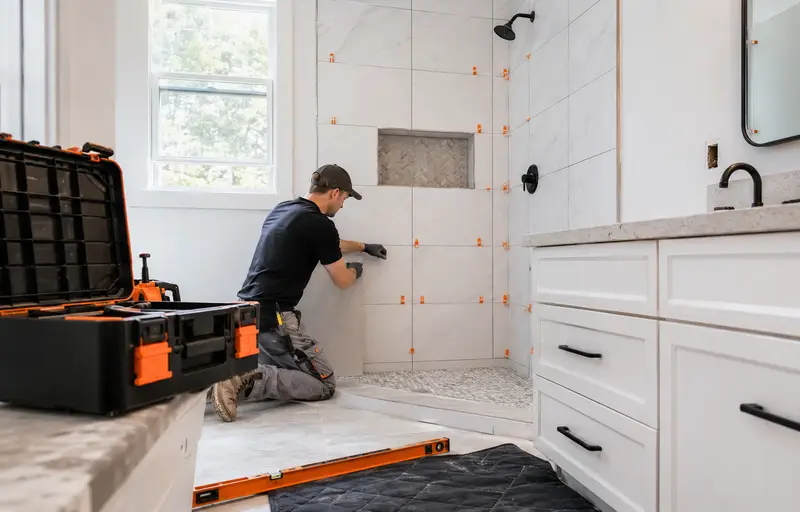
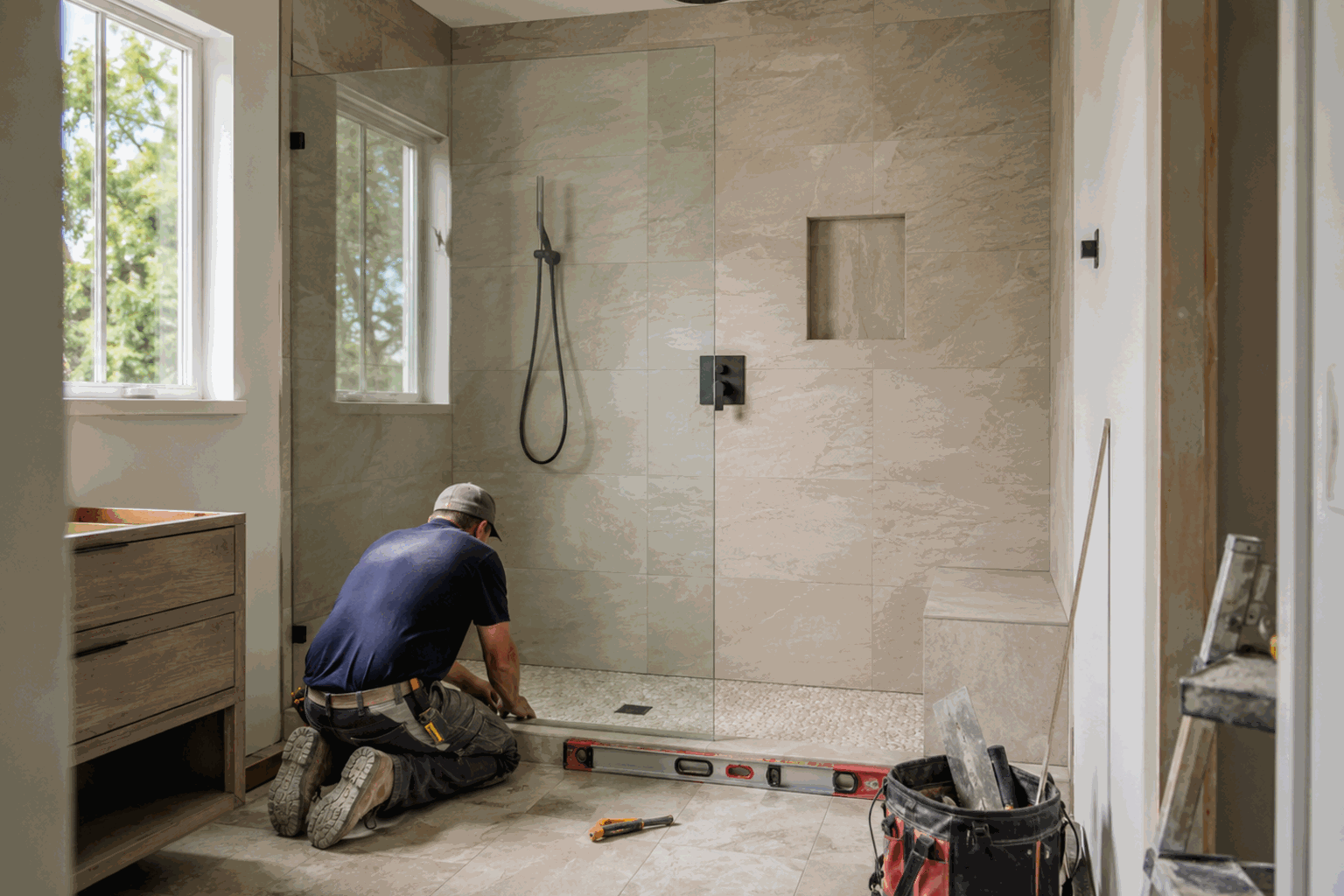
Ticket sizes vary by market and scope, but a full bath remodel typically runs somewhere between $8K and $30K once you are into a new tile surround, a vanity, fresh plumbing, and a curbless or walk-in shower. Walk-in tubs and ADA accessibility conversions usually sit at the premium end of that range — they are medical-adjacent, aging-in-place decisions, and homeowners will pay real money for grab bars, a low threshold, and a safe wet room. Across the industry, offering financing consistently lifts close rates on tickets this size, because most homeowners simply do not have $20K in cash set aside for a bathroom.
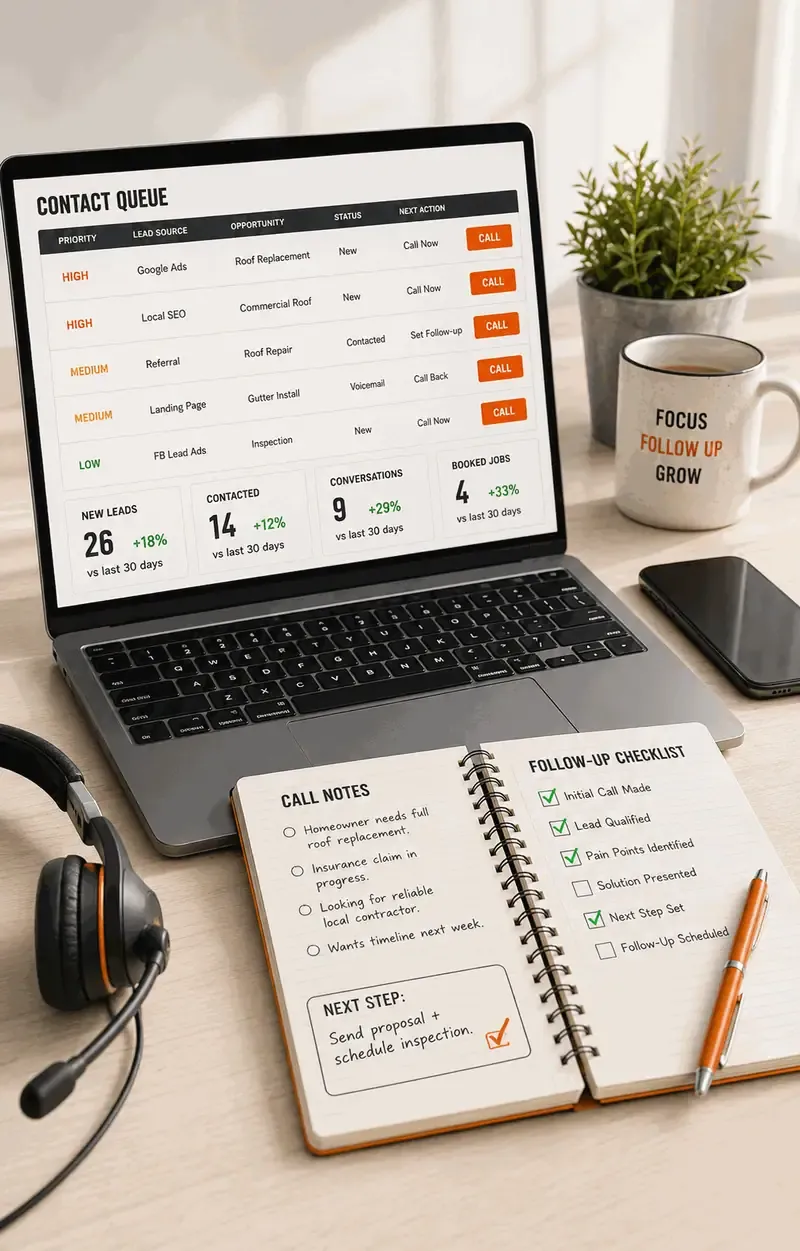
The winning move is almost boring in its consistency: present the price as an affordable monthly number at the table, not a five-figure total buried in an emailed PDF. An $18,000 remodel is a flinch; the same job framed as a couple hundred dollars a month is a decision a couple can make on the spot. Most bath leads do not die on craftsmanship or even on price — they die in the quote-to-close gap, the stretch of days between the estimate and the follow-up where the homeowner cools off and starts calling other contractors. A system that puts financing in front of them early and follows up on its own is what keeps that gap from swallowing the job.
This is also why generic, shared, and aggregator leads fail specifically for bath. When a lead portal sells the same “bathroom remodel” form-fill to four contractors at once, you are racing three other bidders to the phone on a job that turns on trust and a financing conversation, not on who called back cheapest. Those leads arrive cold, unqualified, and blind to whether the homeowner wants a $9K tub-to-shower conversion, a full wet-room renovation, or an insurance-driven water-damage rebuild. You cannot run financing-first messaging to a buyer you never marketed to, and you cannot move fast on a water damage or insurance claim when the lead is already a day old and split with your competitor.
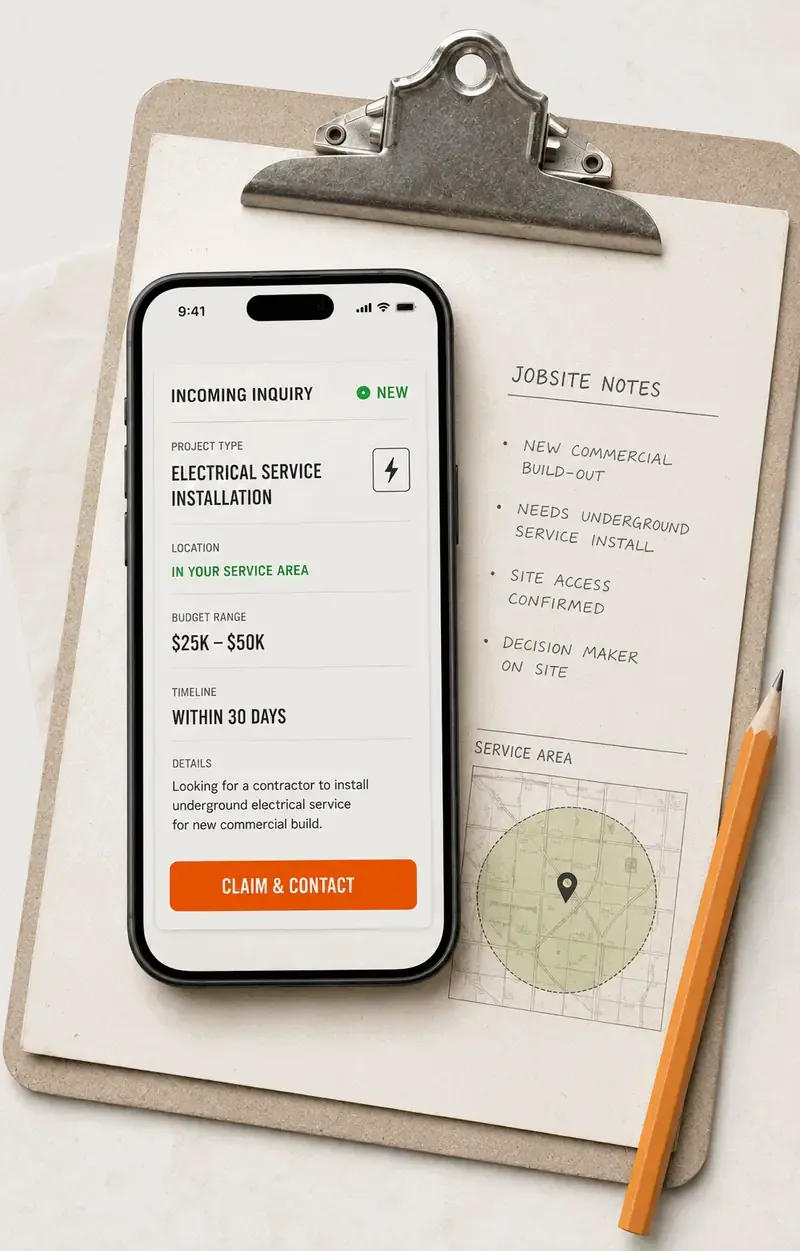
Segmentation is where the quality shows up. A shared lead is just a name and a number; a lead that came through your own walk-in-tub funnel already told you it is an accessibility buyer, and a lead from your water-damage funnel already flagged an insurance claim. That context lets your follow-up speak to the right job from the very first message, which is what actually moves cost-per-booked-estimate — not cost-per-click. You stop paying to educate strangers and start paying to book homeowners who already raised their hand for the exact work you do.
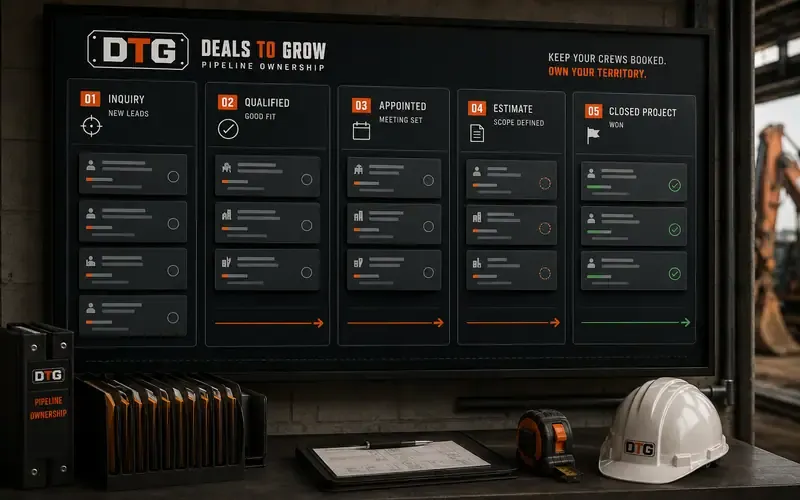
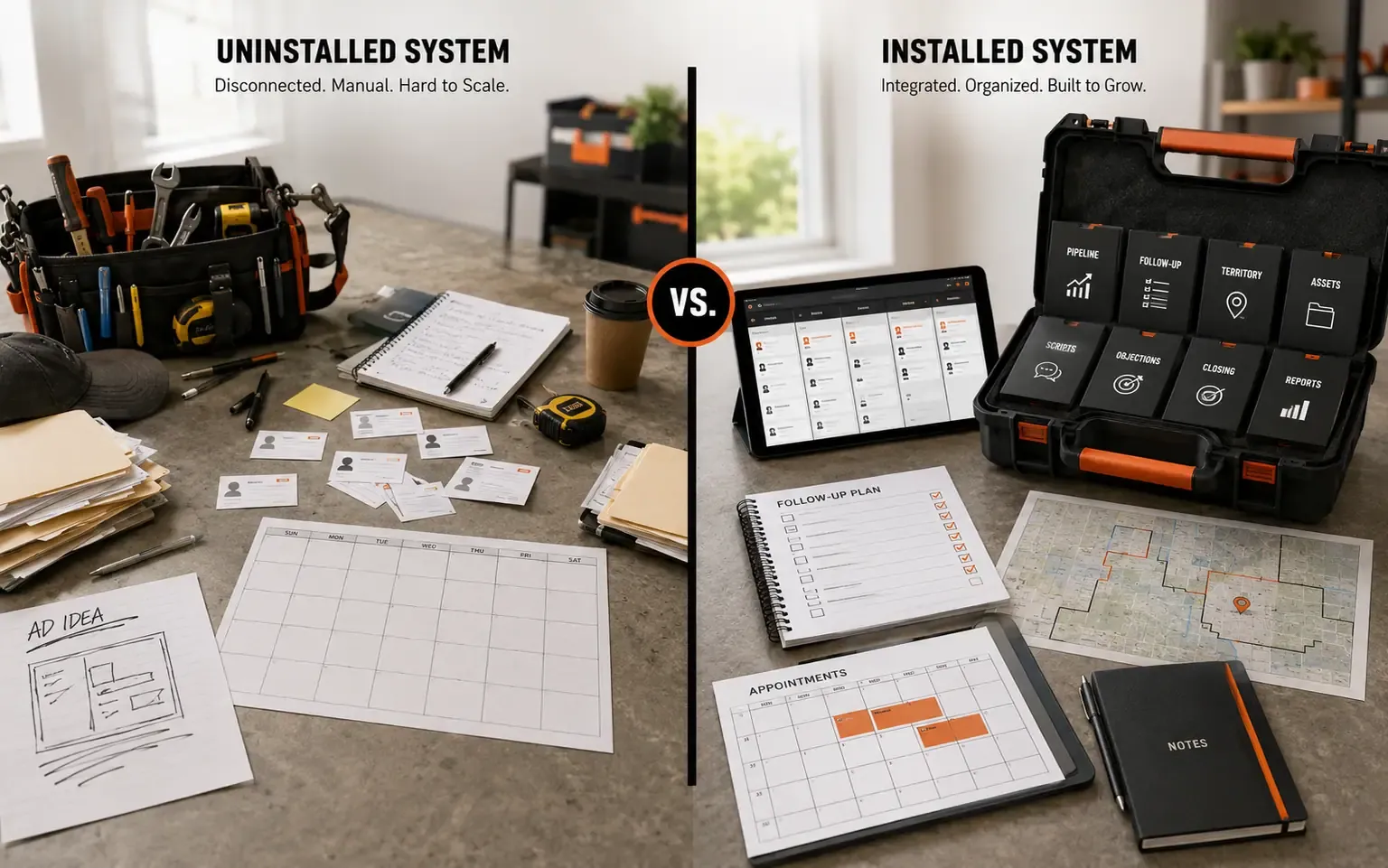
Owning the system changes that math. When the ads, the landing pages, the financing prompt, and the follow-up all run under your name and into your CRM, every lead is yours alone, qualified before you pick up the phone, and answered in seconds instead of hours. Speed is decisive in this trade — on a water-damage call the first contractor to respond usually wins, and on a $25K remodel the fastest, most organized financing conversation usually closes. It is the same economics operators run into with kitchen remodel lead generation or high-ticket flooring campaigns, and the reason a general contractor juggling several trades wants one owned pipeline instead of five lead vendors.
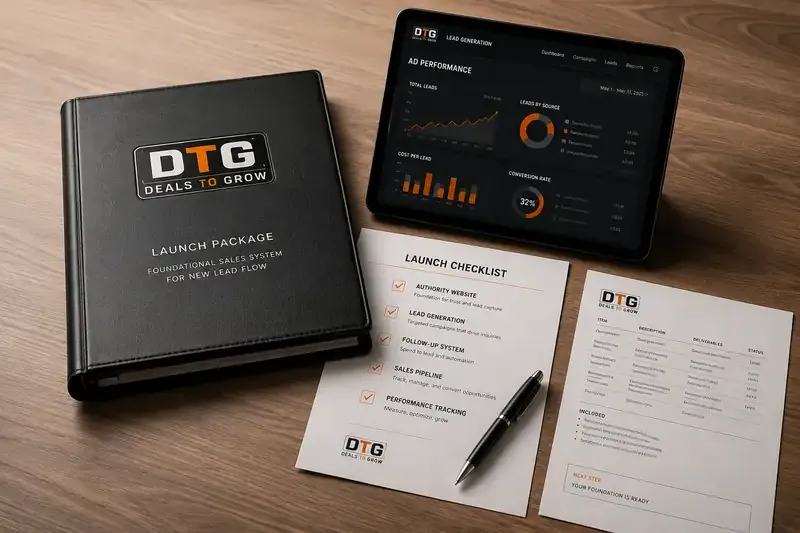
Run it against a single closed bath job and the system pays for itself quickly: one financed walk-in conversion or full remodel can cover months of the platform, which is why we price it as a flat monthly system instead of a per-lead auction. See our packages and pricing to line the tiers up against your average ticket and close rate.
What you pay to close a bath job matters as much as what you pay to create it. The bath remodel sales commission calculator shows what a rep’s rate costs out of gross profit, and what happens to that split when a one-visit close is won with a discount. The contractor sales commission calculator does the same for any trade.







 Meta Ads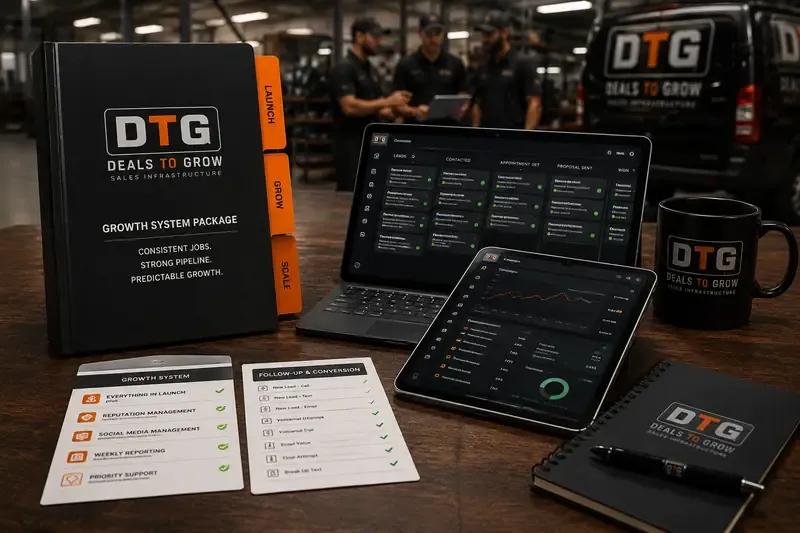
 Google Ads + LSA