The Economics
What A Landscaping Lead Is Actually Worth.
The figures below are typical for the trade, not a promise — your market, your season, and your service mix will move them. The shape, though, holds just about everywhere.
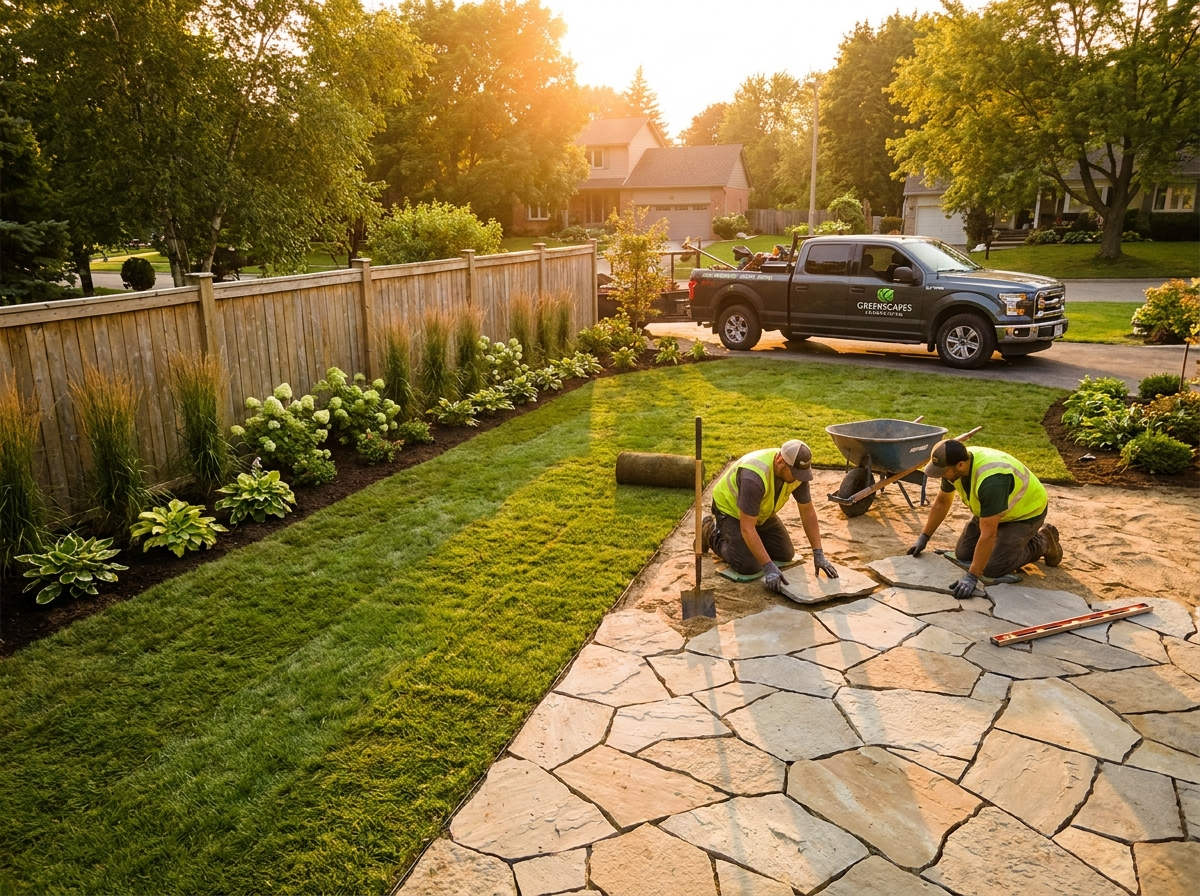
Landscaping tickets cover an enormous range. A single seasonal cleanup or a small sod-and-mulch refresh might be a few hundred dollars; a mid-size paver patio or a retaining wall lands in the low five figures; a full design-build — grading, hardscape, softscape, irrigation, and lighting on a larger property — can run anywhere from roughly $2,000 on the small end to $50,000 or more. That spread is exactly why a generic lead is close to worthless: a form fill that could be a $400 trim or a $40,000 backyard transformation tells you nothing until someone qualifies it — fast, before the homeowner calls the next three landscapers on the list.
In most metros, cost per landscaping lead runs somewhere between $25 and $90, depending on season and service — cleanups and lawn-care sit at the low end, design-build and irrigation at the high end because the ticket justifies it. Judge that number against a single job and it can look expensive. Judge it against a maintenance contract that renews every month for two or three seasons, and it becomes one of the cheapest customer-acquisition costs in the trades. The install is a transaction; the maintenance agreement behind it is closer to an annuity, and it compounds every season you hold it.
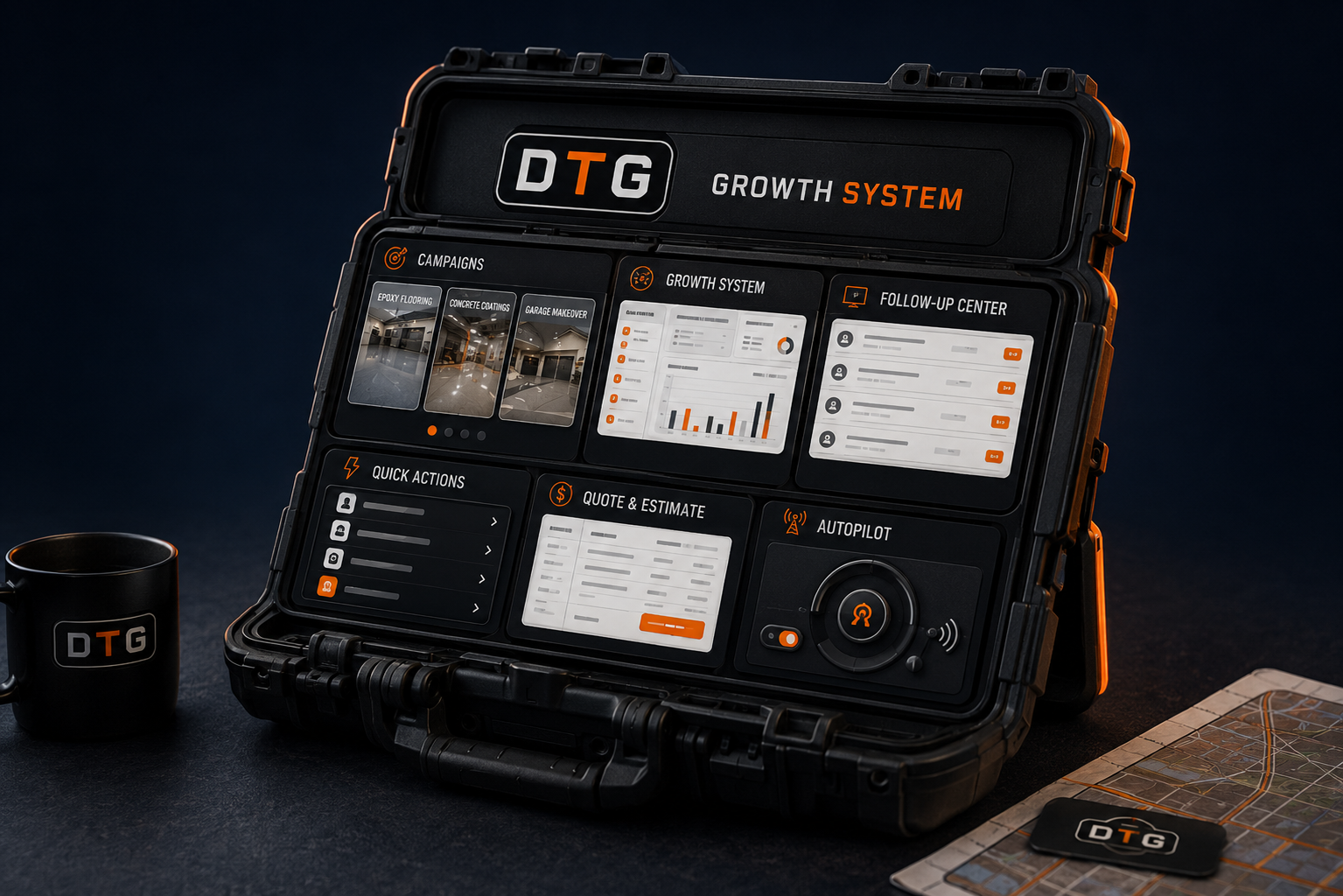
This is where the durable business value actually gets built: converting a one-time install into a recurring maintenance contract. A crew that pours the patio and never sells the upkeep behind it is leaving the most valuable part of the relationship on the table. The DTG system is built to close that gap automatically — the same follow-up engine that booked the install pivots, at sign-off, into a maintenance offer sized to your margins. That ownership math matters more than any single campaign, and you can see how the tiers line up on our packages and pricing.
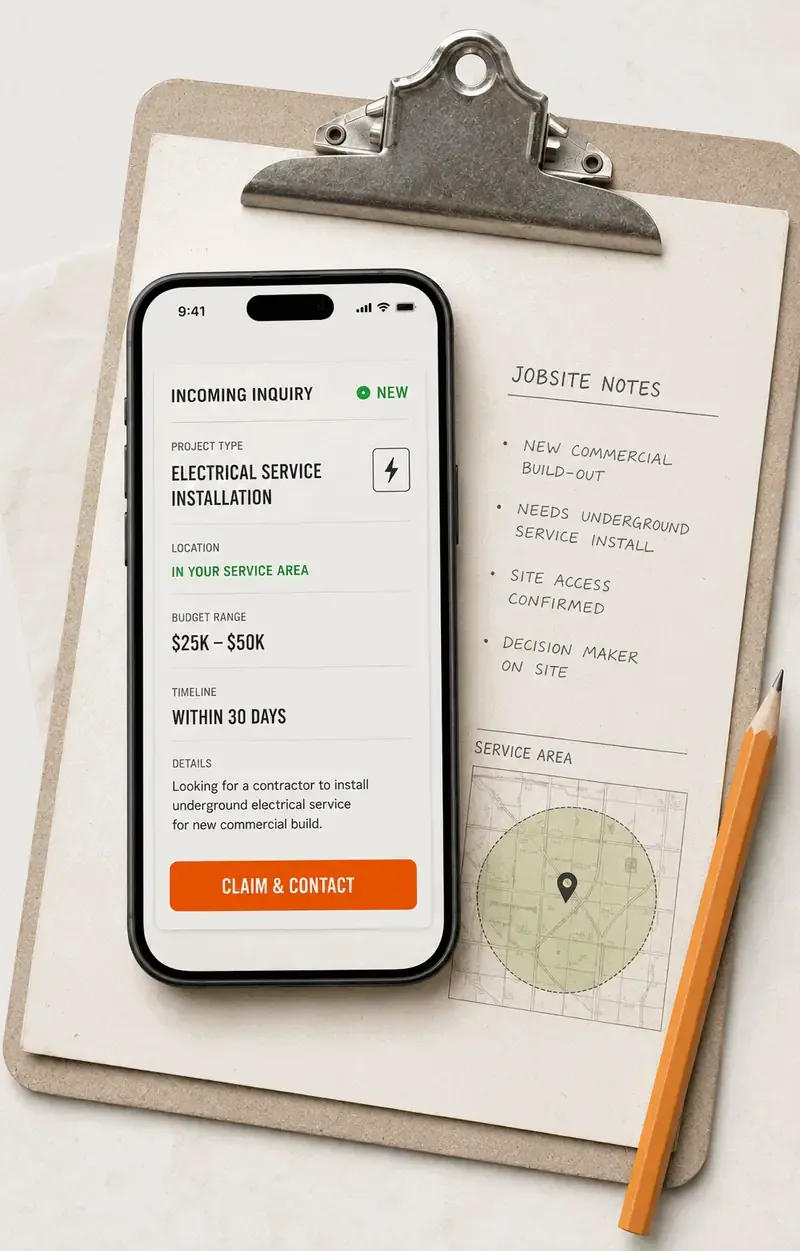
Generic shared leads and aggregator platforms break down badly here. When a marketplace sells the same "landscaping quote" to four or five contractors at once, you are not buying a customer — you are buying a footrace, and the homeowner is buying a bidding war that crushes your margin on exactly the high-ticket hardscape and design-build jobs you most want. Aggregator leads also arrive with no context: no service, no budget, no timeline, no way to route a xeriscape design-build differently from a one-off mulch drop. Owning the system flips that math. The lead is exclusive to your territory, it lands tagged with the service and the intent, and the automation answers it in seconds — and speed is the whole game, because the first credible landscaper to respond usually wins the estimate. It is the same discipline that pays off next door in pool and outdoor lead generation and for general contractors running big-ticket design-build: the higher the price and the wider the ticket range, the more owning the pipeline beats renting it.
Paying someone to sell that work is its own calculation. The landscaping sales commission calculator lets you price the install side and the first year of a maintenance contract separately, which is where a single per-job rate usually stops fitting. The contractor sales commission calculator covers every trade on the same basis.







 Meta Ads
 Google Ads + LSA