
HVAC Business Growth: Building Year-Round Pipeline
HVAC is seasonal — unless you build systems that capture demand before the A/C breaks down or the furnace quits. Here's how the top operators do it.
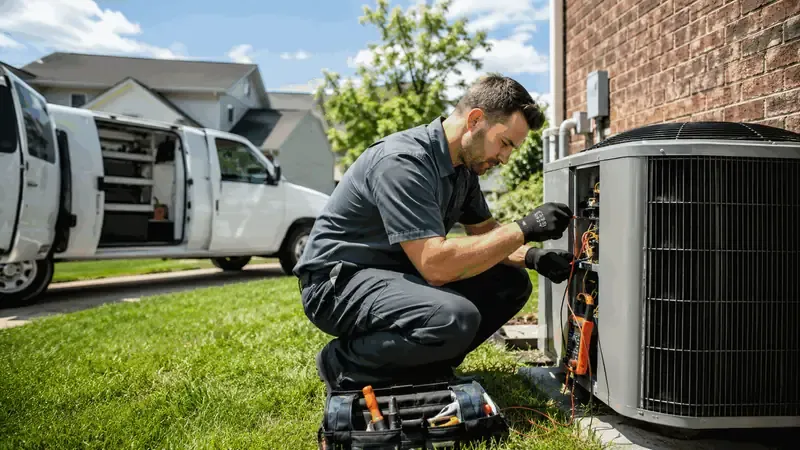
Every HVAC company has the same calendar. Phones go crazy in July when the heat breaks and in December when the first cold snap hits. Between those peaks — the shoulder months of September, October, April, May — the calendar thins out and owners start sweating their overhead.
The contractors who break out of this cycle aren't just doing more advertising during peak season. They're running systems that generate replacement opportunities year-round — targeting homeowners before the emergency happens, before the breakdown call, before the competitor's truck is already in the driveway.
This is the difference between an HVAC company that reacts to demand and one that creates it.
The HVAC Seasonality Trap
HVAC has two distinct lead types: emergency and replacement. Emergency leads — "my AC stopped working at 9pm" — are reactive. You can't create them. You can only capture them faster than your competitors.
Replacement leads — "my system is 14 years old and I'm thinking about replacing it before it fails" — are plannable. Homeowners in this category are researching, getting quotes, and making decisions over a 2–8 week window. They are not in crisis. They are looking for the best option.
Most HVAC marketing focuses almost entirely on emergency leads. That's why it's seasonal — because emergency demand is seasonal. The HVAC companies that grow consistently are the ones building a replacement pipeline through demand creation campaigns targeting homeowners with aging systems.
The Two Digital Channels That Drive HVAC Growth
Google Search + LSA — Emergency Intent
When a homeowner types "HVAC repair near me" at 11pm in August, they need someone now. Google Local Service Ads (LSA) and Search Ads catch that emergency at the exact moment the homeowner is ready to book. For emergency HVAC, LSA is the closest thing to printing money — you pay per lead, the buyer couldn't be more ready, and the fast response wins the job.
What separates LSA winners from losers in HVAC:
- Response time: Google's algorithm rewards contractors who respond within 30–90 seconds. An AI receptionist that answers in under 12 seconds is a competitive moat.
- Review velocity: LSA ranking correlates with recent review volume. Automated review requests sent 24 hours after every service call compound your ranking over time.
- Service area precision: Tight geographic targeting ensures you're only paying for leads your crews can actually reach within 30–60 minutes.
Meta Ads — Replacement Demand Creation
This is where most HVAC companies leave the most money on the table. Facebook and Instagram allow you to target homeowners by home age, income, and location — and show them replacement messaging before their system fails.
Effective HVAC Meta campaigns use messages like: "Is your HVAC system over 10 years old? The average system lasts 12–15 years. Get a free efficiency assessment before it fails in peak season." This creates demand from homeowners who weren't actively searching, at a time when you have available capacity, at a lower cost-per-lead than peak-season emergency campaigns.
The math is simple: a full-margin replacement job in October — when the trucks are sitting — beats another emergency job in August, when you're already turning down calls. You're filling the slow months with the best-margin work on your menu.
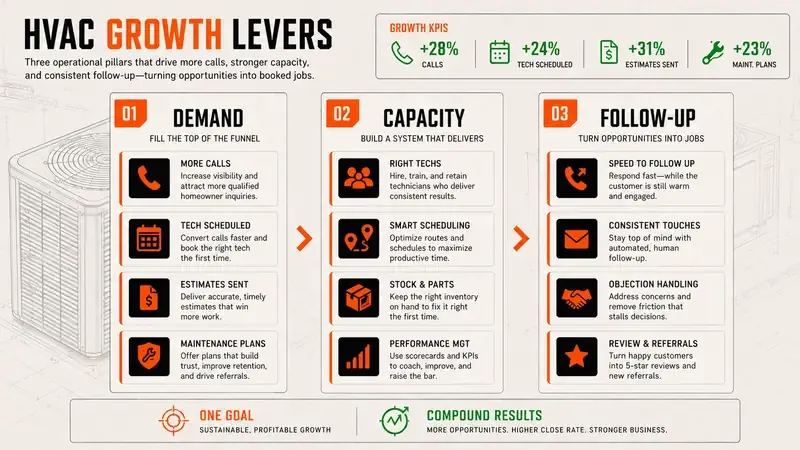
The Speed-to-Lead Problem in HVAC
HVAC has the most time-sensitive leads of any home service category. A homeowner with a broken AC in July is calling 3–5 contractors simultaneously. The first one to answer — not the first one to leave a voicemail — wins the job.
The average HVAC contractor responds to inbound leads in 4–7 hours. In an emergency HVAC situation, that homeowner has already booked someone else within 30–60 minutes. The speed gap is the single largest source of missed revenue in HVAC.
The fix — as covered in our speed-to-lead guide — is an AI receptionist that answers every call — emergency, replacement inquiry, or existing customer service request — in under 12 seconds, 24 hours a day, 365 days a year. For HVAC, this is not optional. It's table stakes for any company trying to grow in a competitive metro.
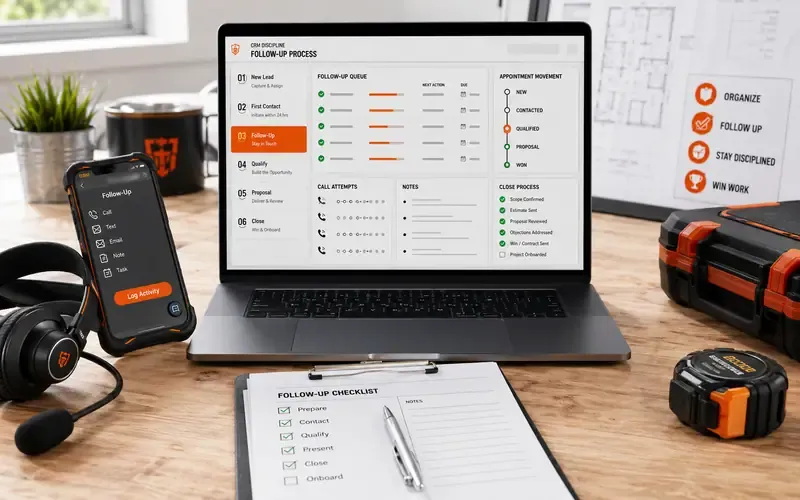
Building the Off-Season Pipeline
The goal of a year-round HVAC growth system is to fill September, October, April, and May with planned replacement jobs booked from homeowners you contacted during the summer. This requires three things:
1. A CRM with Aging-System Flags
Every service call is an opportunity to document system age and note replacement timeline. A properly configured CRM flags every customer whose system is 8+ years old for replacement outreach in 12–18 months. This is your warmest lead source — homeowners who already know you and trust your technicians.
2. Replacement Demand Campaigns
Running Meta ads year-round targeting homeowners in your service area with homes built 10–20 years ago. These campaigns generate shoulder-season replacement inquiries at a fraction of the cost of emergency-season clicks.
3. Automated Re-Engagement
Past customers who received quotes but didn't buy — for any reason — are re-engaged via automated email and SMS sequences 30, 60, and 90 days after the original quote. A significant portion of these "lost" quotes close on re-engagement, especially when HVAC season approaches.
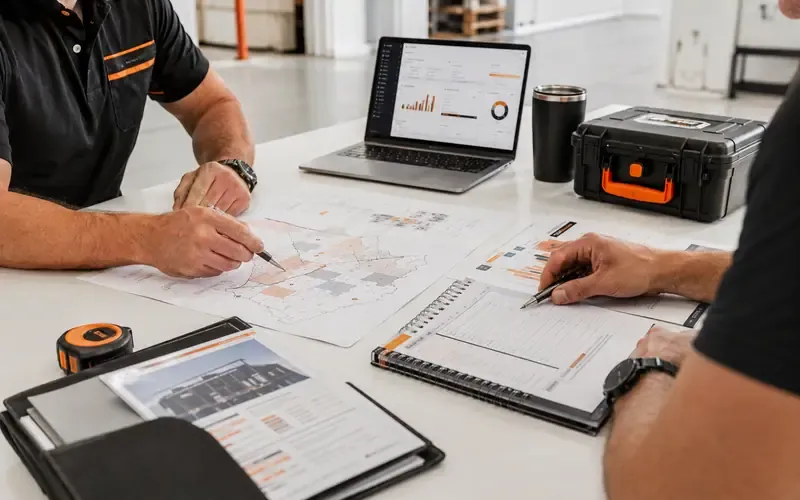
What a Healthy HVAC Pipeline Looks Like
A properly built HVAC growth system for a mid-market operator ($5M–$15M in annual revenue) produces:
- 30–50 qualified leads per month from digital channels (blended LSA + Meta)
- 60–70% booking rate (vs. 30–40% industry average) with AI receptionist
- 18–35 booked estimates per month
- 30–40% close rate on estimates
- 6–14 signed replacement jobs per month
- Average ticket: $8,000–$14,000 (replacement, full system)
- Monthly revenue from digital: $48,000–$196,000
The spread depends on market size, ad budget, and how long the system has been running. Month 3 looks nothing like Month 1 — by then the replacement pipeline has built up and the re-engagement sequences have started closing old quotes.
Next Steps
If you're an established HVAC operator with a proven track record and you want to build this system in your market, start with our HVAC sales infrastructure page and check whether your metro is still open.
We work with one HVAC contractor per metro. If your city is available, we can typically have your full system live within 5 business days.
Related Articles.
Want this system installed for your trade?
See if your market is still open, then book a 20-30 minute install call. No contracts.